
Desk note · industry · Autos / supply chain
Reporting on 13 October 2026 said at least three Indian auto and component firms, including Ceat, Ather Energy, and Lumax Auto Technologies, are setting up subsidiaries or hiring locally in China to secure parts and manage rising aluminium and copper prices, while China’s share of India’s auto-component imports reached 36% in FY26.
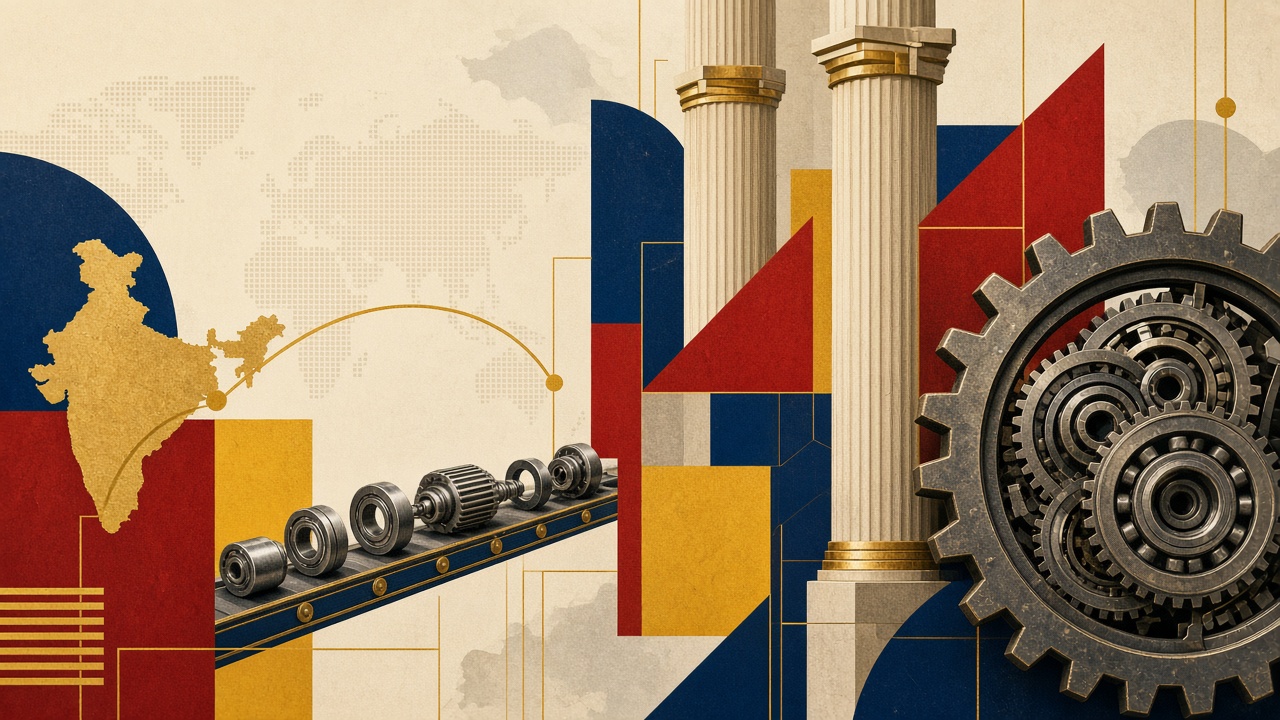
On 13 October 2026, media reports said Indian auto and ancillary companies are placing staff and legal entities in China to buy components more cheaply and reliably. Tyremaker Ceat, electric-scooter maker Ather Energy, and Lumax Auto Technologies were named among firms setting up resource centres or subsidiaries and hiring local executives. The moves come as aluminium and copper prices climbed this year on electrification demand and tight supply, squeezing margins for vehicle makers and their vendors. China’s share of India’s auto-component imports rose to 36% in the year to March 2026 from 32% a year earlier, according to the Automotive Component Manufacturers Association figures cited in the coverage. Separately, export controls Beijing introduced in April 2025 on rare earths and magnets have complicated access to materials used in motors and sensors.
India still assembles millions of vehicles at home, but the bill of materials crosses borders. When metals inflate, every rupee saved on a harness or magnet matters. A China office does not mean shifting final assembly; it is procurement insurance. Firms can audit factories, negotiate in local currency, and respond faster when Beijing tweaks export permits. The strategy sits awkwardly next to government pushes for localisation, yet managers argue there is no quick domestic substitute for some precision parts. If more suppliers follow, India’s trade data may show even higher component imports even as finished vehicle exports rise.
Car and two-wheeler buyers may see fewer sudden production gaps on popular models when chip or magnet supply hiccups hit. Component SMEs in India should expect tougher price benchmarks from OEMs that now compare quotes directly with Chinese plants. Investors in tyremakers and EV makers should read annual reports for capex on overseas sourcing teams, not only domestic fabs. Policy watchers should track whether New Delhi adjusts import duties or incentive schemes as firms deepen China ties while marketing ‘Make in India’ at home.
Telecom / IPO
On 22 October 2026, exchange data showed Jio Platforms’ ₹30,213 crore issue had drawn about ₹3.73 lakh crore of total bids by late evening on Day 2, with the retail portion oversubscribed and market commentators citing diverted cash from other listed stocks during the book build.
SEBI / market infrastructure
On 22 October 2026, the Securities and Exchange Board of India proposed letting stock exchanges and depositories fund core-market and regulator-mandated initiatives without prior approval for each ticket, while keeping board oversight and financial safeguards and inviting comments until 12 November.
E-commerce / food delivery
On 22 October 2026, reporting said Flipkart is testing an internal food delivery product called Eat-in by Minutes with more than 8,000 employees in Bengaluru, using Ekart logistics as it prepares to compete with Zomato and Swiggy in meal delivery.
Digital trust / compliance
On 22 October 2026, eMudhra Ltd said its board will voluntarily withdraw from the global SSL/TLS certificate segment after a key-security incident on eight intermediate certificates, citing compliance cost and weak economics while stressing that other digital-trust services continue.
For informational purposes only. Not investment advice. Verify with filings and a licensed adviser.