
Desk note · industry · Food policy / infant nutrition
On 17 October 2026, the Food Safety and Standards Authority of India proposed ending routine use of sucrose and fructose in nutrition products for babies up to six months, keeping lactose and glucose polymers as the preferred carbohydrates.
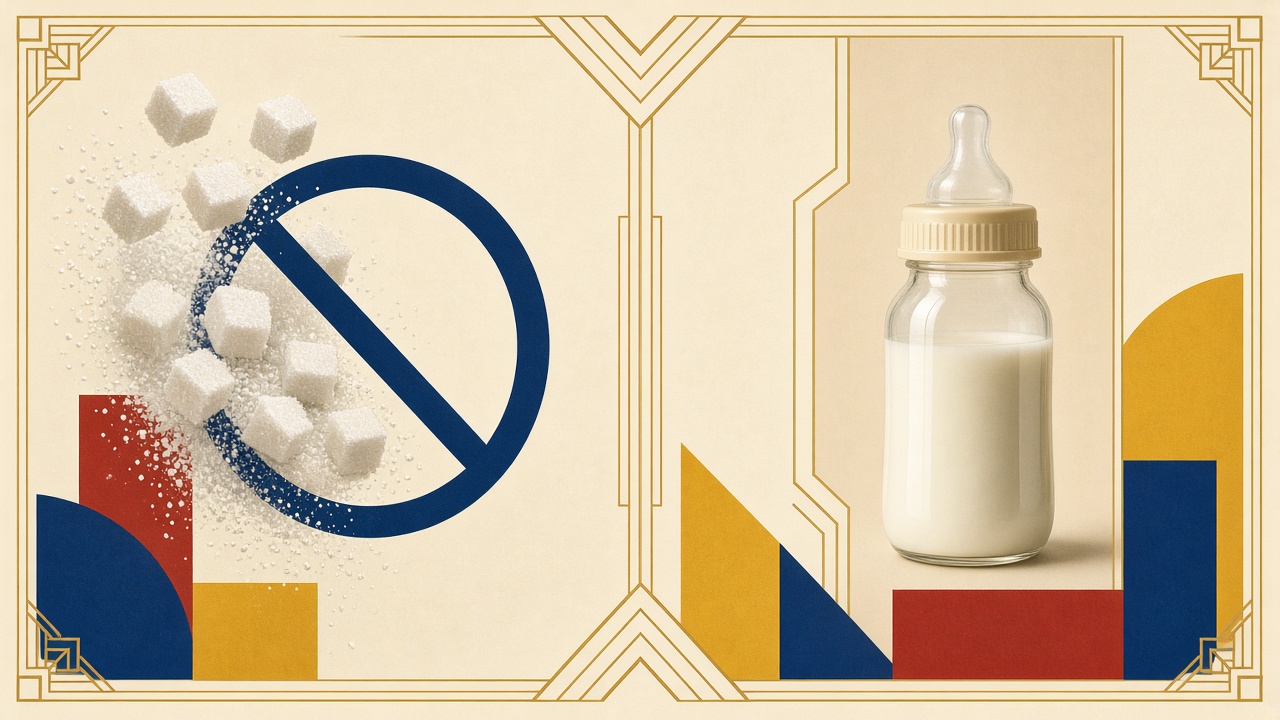
On 17 October 2026, the Food Safety and Standards Authority of India said it wants to stop manufacturers from adding sucrose and fructose to infant nutrition products meant for children up to six months old. Current standards already list lactose and glucose polymers as the preferred carbohydrate sources for those products. Sucrose and fructose can be used today only when required and within prescribed caps. FSSAI said the change is meant to cut babies’ exposure to added sugars and to respond to obesity risks in childhood. The proposal applies within broader infant nutrition rules that cover safety and composition for children from birth to 24 months.
Packaged infant formula and follow-on foods are one of the first processed meals many households buy. When regulators narrow which sweeteners are allowed, manufacturers must reformulate recipes, rerun stability tests, and refresh labels before shelves turn over. That can raise production cost but also removes a cheap way to mask bitter notes from fortifiers. The move aligns with FSSAI’s wider push on sugar, salt, and saturated fat, including a planned front-of-pack warning label that now triggers if even one nutrient of concern crosses a threshold. For parents, the practical effect is fewer discretionary sweeteners in the youngest age band, not a ban on all sugars in toddler snacks, which sit under different product categories.
If you buy formula or infant cereals, watch for revised packs and ingredient lists after the draft is finalised and commented on. Retailers and paediatric brands may phase out old stock over several months. If you invest in listed food companies, track which firms rely on sweetener blends in infant SKUs and what reformulation costs they disclose. Policy watchers should compare this rule with state enforcement on warehouses and restaurants, because both threads show regulators treating packaged and fresh food chains as public health issues, not only quality paperwork.
Telecom / IPO
On 22 October 2026, exchange data showed Jio Platforms’ ₹30,213 crore issue had drawn about ₹3.73 lakh crore of total bids by late evening on Day 2, with the retail portion oversubscribed and market commentators citing diverted cash from other listed stocks during the book build.
SEBI / market infrastructure
On 22 October 2026, the Securities and Exchange Board of India proposed letting stock exchanges and depositories fund core-market and regulator-mandated initiatives without prior approval for each ticket, while keeping board oversight and financial safeguards and inviting comments until 12 November.
E-commerce / food delivery
On 22 October 2026, reporting said Flipkart is testing an internal food delivery product called Eat-in by Minutes with more than 8,000 employees in Bengaluru, using Ekart logistics as it prepares to compete with Zomato and Swiggy in meal delivery.
Digital trust / compliance
On 22 October 2026, eMudhra Ltd said its board will voluntarily withdraw from the global SSL/TLS certificate segment after a key-security incident on eight intermediate certificates, citing compliance cost and weak economics while stressing that other digital-trust services continue.
For informational purposes only. Not investment advice. Verify with filings and a licensed adviser.